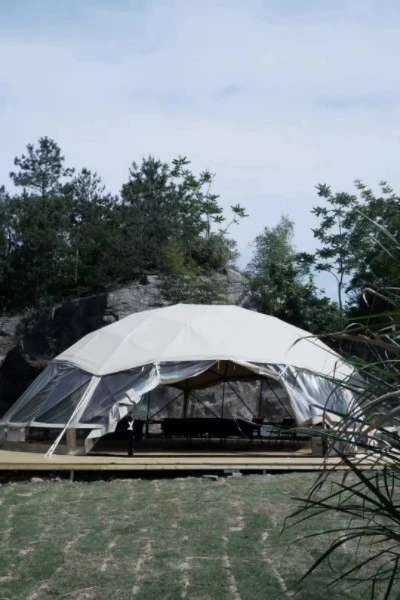
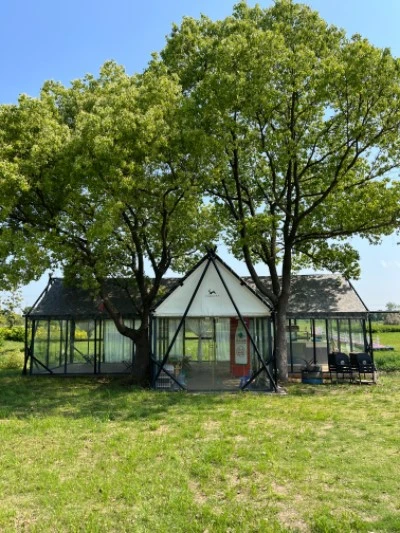
When choosing a tent tarpaulin, you need to consider factors such as material, waterproofness, breathability, durability, and usage scenarios.
Material selection
Nylon
Advantages: light, tear-resistant, good elasticity, suitable for lightweight hiking or mountaineering.
Disadvantages: Need to rely on waterproof coating (such as PU or silicone oil), long-term exposure may age.
Applicable scenarios: backpackers, alpine camping.
Polyester
Advantages: strong UV resistance, not easy to shrink, high cost performance.
Disadvantages: slightly heavier than nylon, average breathability.
Applicable scenarios: daily camping, family tents.
Cotton cloth
Advantages: excellent breathability, good thermal insulation, suitable for long-term stationing.
Disadvantages: heavy weight, difficult to dry after being wet, and mildew-proof treatment is required.
Applicable scenarios: self-driving camping, long-term use in camps.
Oxford cloth
Advantages: wear-resistant and tear-resistant, strong waterproof performance.
Disadvantages: heavy and poor portability.
Applicable scenarios: professional expeditions, severe weather environments.
Waterproof performance
Waterproof index (PU coating value)
2000-3000mm: can prevent light rain, suitable for dry areas.
3000-5000mm: can prevent moderate to heavy rain, suitable for most camping.
5000mm and above: can prevent heavy rain, used for professional-grade tents.
Seam taping: check whether there are waterproof taping strips at the seams to avoid water seepage.
Breathability
Material breathability: cotton > uncoated nylon/polyester > fully coated fabric.
Design ventilation window: choose a tent with gauze or top ventilation port to reduce internal condensation.
Durability
Denier number (D): the higher the value, the thicker the fabric.
20-30D: ultra-light but easy to damage, suitable for short-term hiking.
70-210D: balance weight and durability, suitable for most scenarios.
Tear resistance: diamond grid or thickened weaving process can improve tear resistance.
Weight and portability
Lightweight needs: Choose nylon or thin polyester (such as 15-30D), which usually weighs 1-2kg.
Non-lightweight: Oxford cloth or cotton cloth is more durable, but the weight may reach 3-5kg.
Other factors
Color: Light colors reflect sunlight and are cooler, while dark colors provide good privacy but absorb heat.
Brand and price: Professional brands (such as MSR and Big Agnes) are reliable but expensive; affordable brands are suitable for occasional use.
Fireproof performance: Some military or special scene tents require flame retardant coating.
Summary: Recommended by scene
Lightweight hiking: high-density nylon (such as silicone-coated nylon), PU 3000mm+, 20-30D.
Family camping: polyester or Oxford cloth, PU 5000mm+, 70-150D.
Long-term camping: cotton tent with waterproof spray.