

Introduction
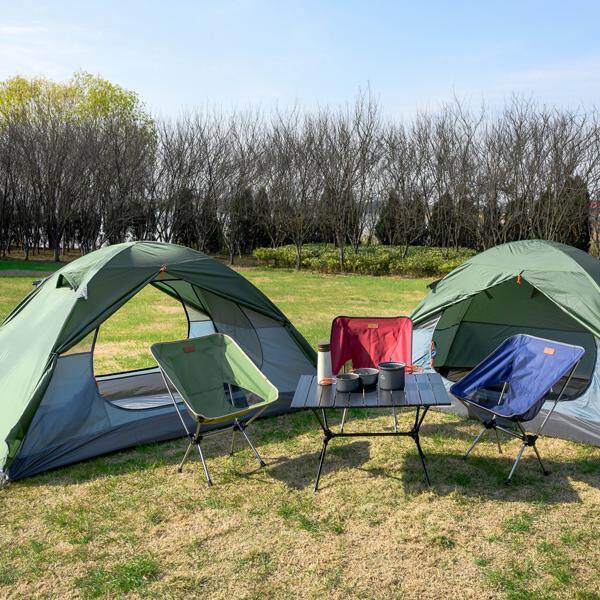
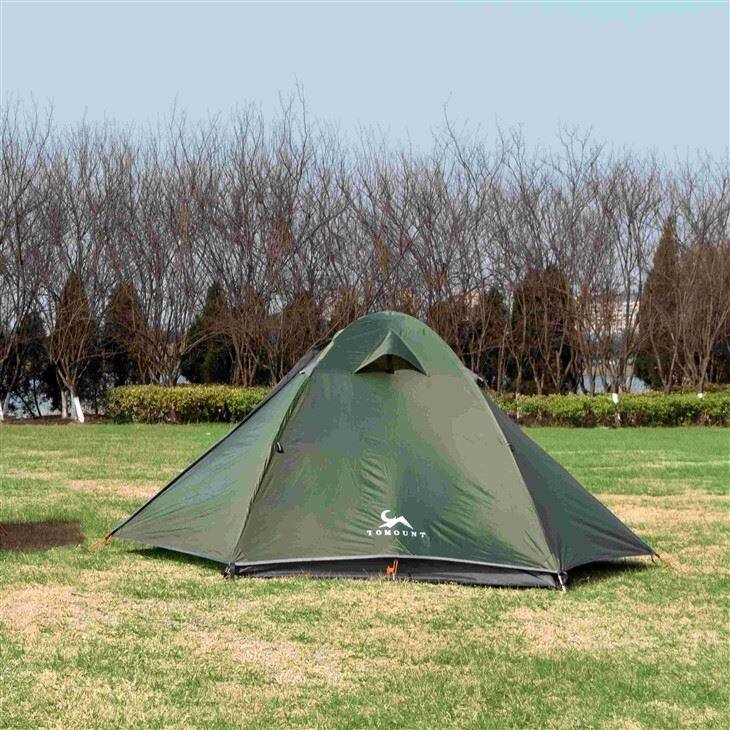
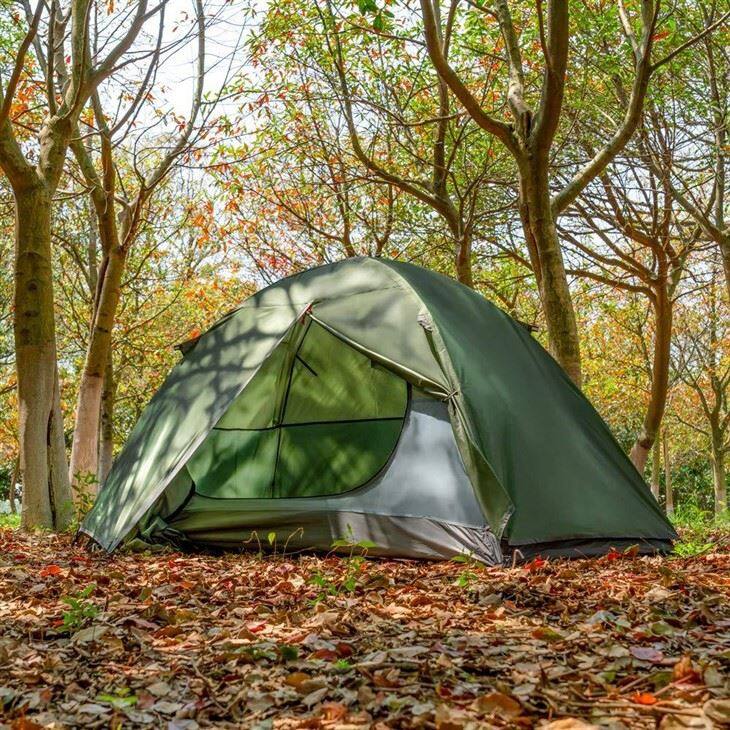
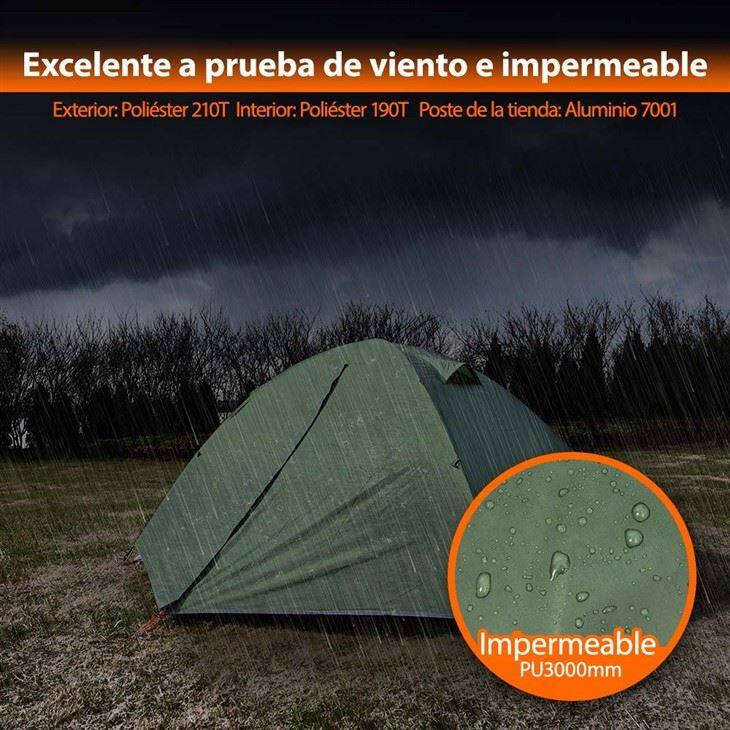
This Wilderness Experience Tents is designed for outdoor enthusiasts, climbers and campers, and can cope with harsh mountain environments. The outer tent is made of high-strength 210T tear-resistant polyester taffeta, the inner tent is made of breathable polyester material, and the bottom is made of 210D Oxford cloth. The aluminum pole structure is light and stable, with compression resistance, and can remain stable even when encountering external impact.
Features of the tent
Quick Setup
It takes only a few simple steps to set up a perfect tent.Even a novice camper can assemble it in about 10 to 15 minutes.With the compact storage bag, the whole tent weighs about 4.65lbs, very convenient to carry with you.
Waterproof and Windproof
190T breathable fabric for inner tent, 210D reinforced oxford fabric for ground sheet, and 210T rip-stop polyester for external tent, with great waterproof PU3000m and UV protection. Better than fiberglass,we have 7001 aluminum tent poles, lightweight while maintaining high strength. Coupled with the double-layer design for warmth and windproof, the tent can protect you from wind and rain.
Classic Design
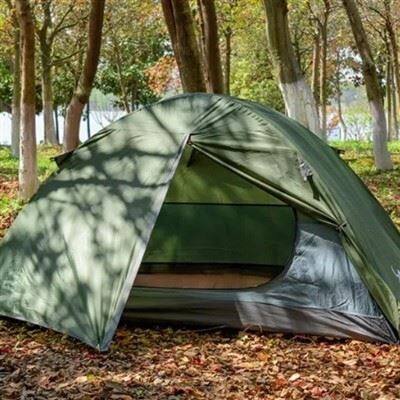
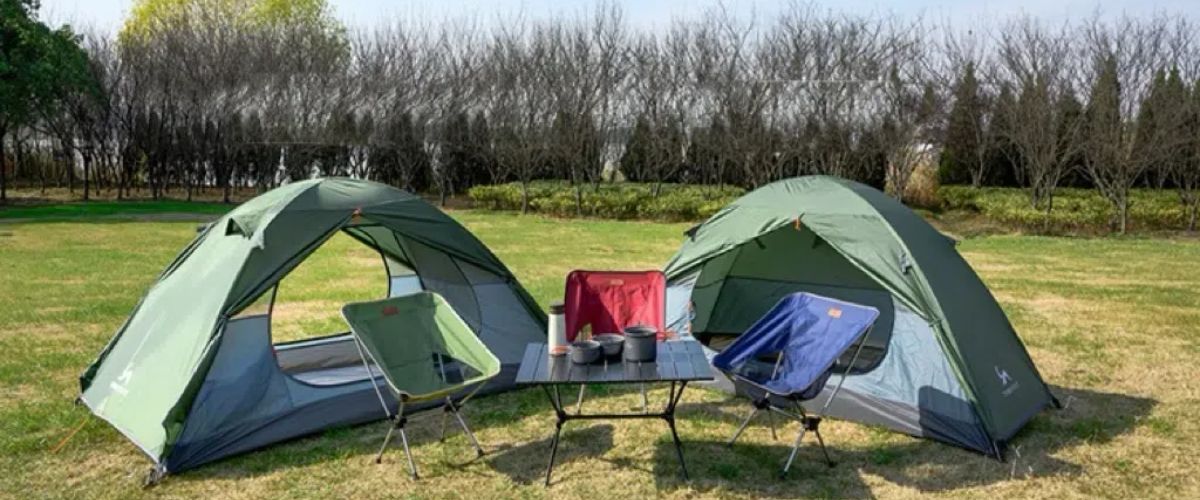
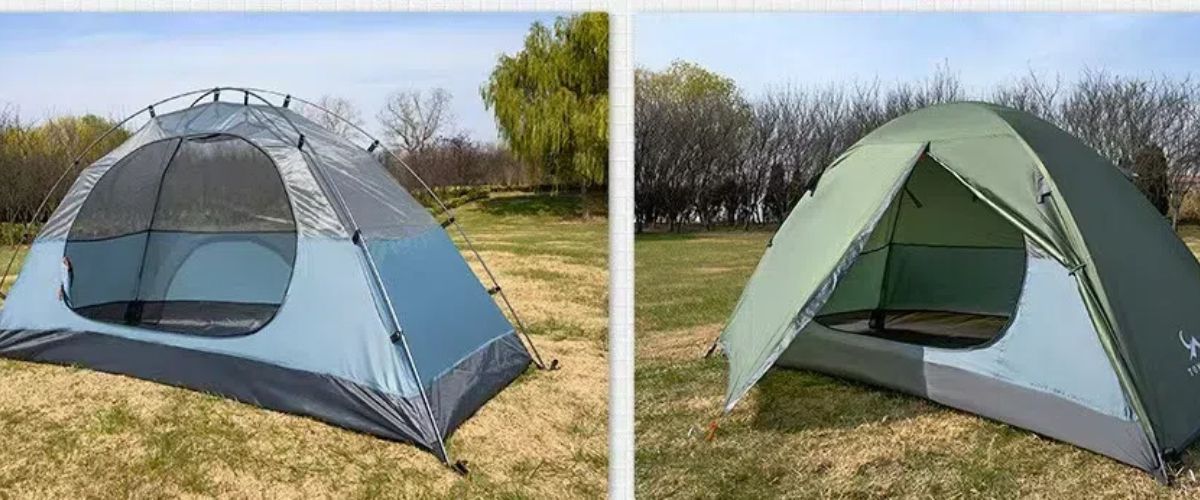
The tent adopts a double-layer design with a mesh inner net to keep it warm in cold weather and provide shade and mosquito-proof in hot weather. The independent design makes it very convenient to move the tent. The design of the window in the back makes for ventilation and prevents water vapor condensation, so you can enjoy nature more comfortably.
Widely Used
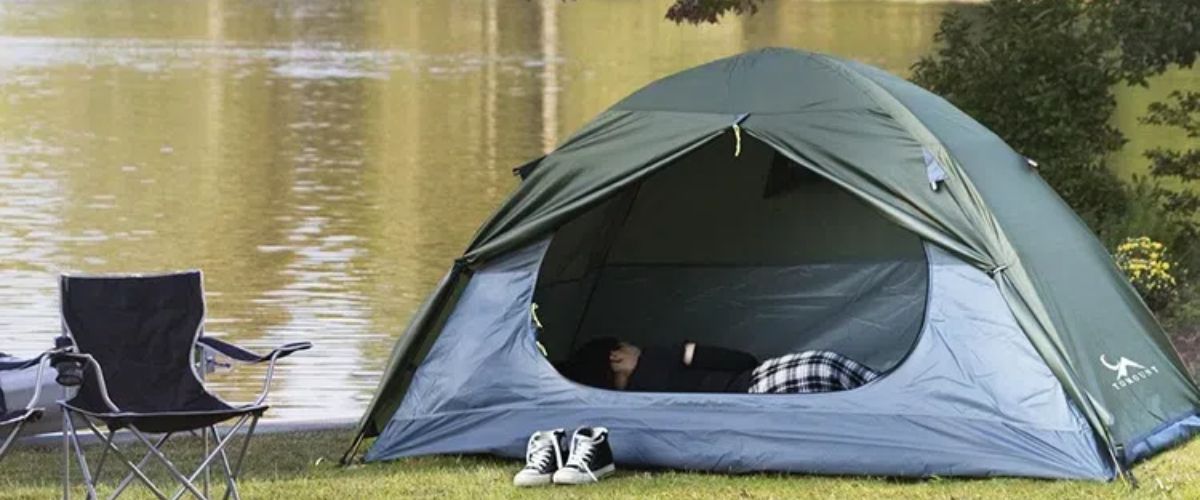
Suitable for outdoor activities, camping, festivals, picnics, beaches, fishing, mountain climbing, sports games, etc. Easy to install and carry, very useful in various scenarios. It can also come in handy in the event of a disaster.
Warranty and Promise
One year WARRANTY against all defects. Please contact us immediately if there is any problem with the products.
Customization capability
1-person: Inner tent: 88.6"*39.4"*44.1"; External tent: 92.5"*(23.6"+39.4")*45.3". weighs about 4.6lbs. Compact package size: 17.7"*5.9".
2-person: Inner tent: 89.7"*55.1"*45.2"; External tent: 94.5"*(25.5"+55.1"+25.5")*46.5". weighs only 5.4lbs. Compact package size: 19.7"*5.9"
These are generally standard sizes for family camping options, also if you are interested in our products, we can adjust the size of the product and the raw materials used according to your budget.
Contact us
As an outstanding enterprise in the R&D and manufacturing industry of tents, awnings, marquees and outdoor prefabricated buildings, we strictly control the quality in every link from raw material procurement to finished products, and look forward to providing more customers with high-quality products and professional services.
Email:lucky@jljwvip.com
Whatapp:+8613626199726
FAQ
Q: How to properly build a mountain tent?
A: When building a mountain tent, first choose a flat ground and make sure the door of the tent faces the opposite side of the wind. Then install the frame according to the tent manual and make sure the four corners of the tent are firmly fixed. Finally, tighten the tent cover to ensure that it is not loose.
Q: How strong wind can a mountain tent withstand?
A: Most mountain tents are designed to withstand strong winds, usually 40-50 kilometers per hour. Some high-end tents can withstand greater wind force through enhanced brackets and stable designs.
Q: How to keep the tent dry when camping?
A: To keep the tent dry, avoid letting moisture enter when setting up the tent in an open environment. Use a tarp or extra mat to increase the waterproofness of the bottom of the tent, and make sure the tent is well ventilated to avoid moisture accumulation.
Q: What should I do if the tent leaks?
A: If the tent leaks, first check whether the seams and waterproof layer of the tent are intact. If there is any damage, it can be repaired with a special waterproof tape or repair kit. When storing for a long time, make sure the tent is completely dry before putting it away.
Q: How to clean and maintain a mountain tent?
A: When cleaning a mountain tent, wash it by hand with warm water and a neutral detergent, not a strong washing machine. Avoid using bleach to avoid damaging the waterproof coating. After washing, make sure the tent is completely dry before putting it away.
Q: How to ensure the windproofness of the tent?
A: Make sure the four corners are firmly fixed when setting up the tent, and use the support poles and ropes inside the tent to reinforce it. If strong winds are expected, you can choose to set up the tent in a place facing away from the wind.
Q: Are mountain tents suitable for a variety of terrains?
A: Yes, mountain tents are designed with a variety of terrains in mind, including rocks, sand and snow. Their bottom materials are wear-resistant and waterproof, and they are suitable for a variety of harsh environments.
Q: Can mountain tents be used for four-season camping?
A: Many mountain tents have the ability to be used in all seasons, especially tents designed for cold and high altitude environments, which can provide additional insulation and windproof performance. But if you are camping in warm seasons, you can choose a tent with better breathability.
Q: What is the function of the vents in the tent?
A: The vents in the tent help air flow, reduce internal moisture accumulation, and prevent condensation and mold. At the same time, it can also provide better oxygen circulation inside the tent and increase comfort.
Q: How to choose the right mountain tent size for your needs?
A: When choosing the size of the tent, consider the number of people using it and the camping needs. Single tents offer a lighter option, while double tents offer more space. If you need more storage space, you can choose a larger tent.
Q: How to prevent water vapor in the tent?
A: When using a tent, you can reduce water vapor by opening the vents or using moisture-absorbing materials (such as desiccant or absorbent pads) inside the tent. Avoid piling wet clothes or food in the tent, which may increase internal moisture.

