
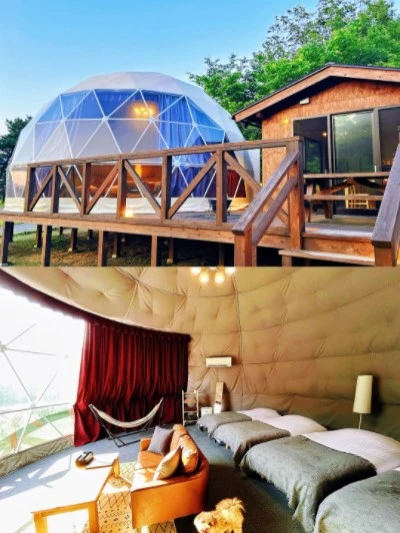
1. Product Capabilities: Safety, Performance, and R&D
This is the primary consideration, directly impacting customer experience and campsite safety.
• Safety and Core Performance: This is the bottom line. Key indicators such as wind resistance, waterproof rating (PU value), flame retardancy, fabric tear resistance, and structural stability should be carefully considered. High-quality suppliers should provide clear third-party testing reports.
• Technological Innovation and Iteration: Assess the supplier's R&D team size, number of patents, and ability to utilize new materials (such as low-temperature air column materials and self-developed fabrics). This determines whether the product can address campsite pain points, such as quick setup and weather resistance.
2. Supply Chain Capabilities: Production Capacity, Delivery, and Quality
This relates to the stable implementation of your procurement plan.
• Production and Delivery Capabilities: Understand their factory size, number of production lines, annual output, and inventory assurance. Ensure they can complete your orders on time and in the required quantities, and have sufficient capacity during peak seasons.
• Quality Control System: Inquire whether they have obtained ISO9001 or other quality management system certifications. During on-site inspections, observe whether they have strict quality inspection procedures (such as long-term pressure testing).
3. Scenario Matching Capability: Experience, Cases, and Solutions
This determines whether the supplier "understands" the campsite business.
• Industry Experience and Cases: Require examples of services provided directly to campsites, not just to individual consumers. Successful cases are the best proof of their practical capabilities.
• Customization and Solution Capabilities: Assess whether they can provide a one-stop solution from design to implementation based on your campsite's positioning, target audience, and operational pain points, rather than simply selling standard products.
4. Business Collaboration Capability: Service, Cost, and Qualifications
This relates to the smoothness and compliance of long-term cooperation.
• After-Sales Service System: Clearly define their warranty policy, after-sales response speed (such as whether they provide 7*24 hour support), and problem-solving process.
• Cost and Cost-Effectiveness: Conduct a comprehensive cost analysis. Compare prices at the same quality level, and be wary of excessively low quotes. Consider factors such as "supplier development costs."
• Qualifications and Compliance: Verify business licenses, industry qualifications, and international certifications such as BSCI. This can initially determine their legality and compliance.