1. The "Tone Setter" for User Experience and Atmosphere
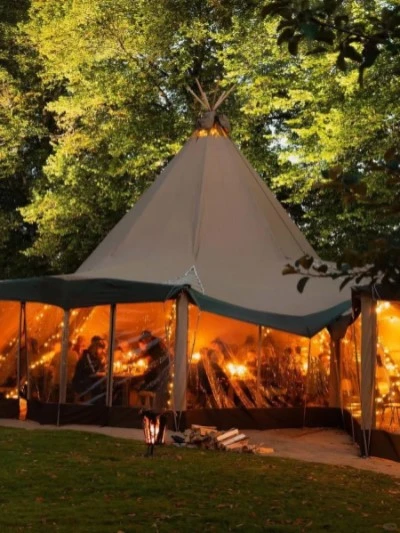
The dining area is one of the areas where guests spend the most time at the campsite and where social interaction is most concentrated. Tents here play the role of "outdoor restaurants."
• The Foundation of a Comfortable Experience: A spacious, well-ventilated, and bright tent protects guests from sun, rain, and insects, allowing them to enjoy their food and conversation in peace and comfort. Conversely, a stuffy, dark, and leaky tent can instantly ruin the dining experience.
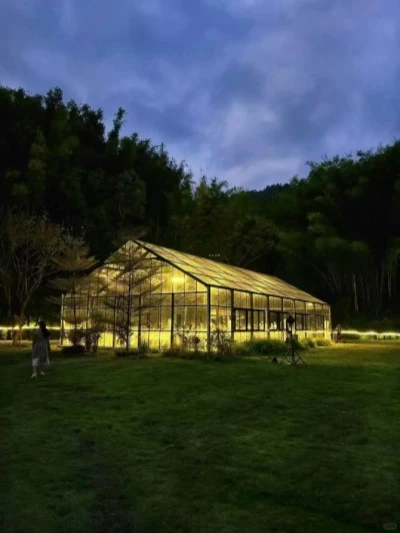
• The Core of Atmosphere Creation: The tent's shape, lighting, and space collectively constitute the dining environment. A well-designed tent (such as an elegant domed tent or a professional tent house) can greatly enhance the dining experience, transforming a simple meal into an unforgettable "wild luxury" experience. Guests are also more willing to take photos and share them, providing free publicity for the campsite.
2. The "Guardian" of Operational Efficiency and Functionality
The dining tent is the front line of back-office operations, and its design directly impacts workflow.
• Space Planning Determines Efficiency: Does the interior need to be divided into dining areas, preparation areas, and food collection routes? A well-designed tent ensures efficient work for staff and avoids congestion. If cooking is involved, a dedicated kitchen tent is necessary, and its ventilation and fireproofing design are crucial.
• Weather reliability: Outdoor weather is unpredictable. A sturdy tent with a high waterproof rating (3000mm or higher recommended) ensures that catering services can continue under any circumstances, guaranteeing the normal operation of the campsite.
3. Guardians of Safety and Risk
Dining areas involve open flames, electrical appliances, and dense crowds; safety is paramount.
Fire prevention is of utmost importance: Always choose tents made of flame-retardant materials. This effectively prevents sparks and high-temperature equipment from accidentally igniting the tent, buying valuable time for emergency response and ensuring the safety of guests' lives and property.
Structural safety is paramount: Tents must withstand strong winds and other severe weather. A sturdy aluminum alloy or steel frame, with sufficient ground pegs and guy lines, is fundamental to preventing tipping and ensuring personnel safety.
4. A "Amplifier" of Campsite Image and Revenue
Dining tents are one of the "faces" of a campsite, directly conveying its brand positioning.
A tangible display of brand image: A professional, aesthetically pleasing, and clean dining tent silently sends a signal to guests that "this campsite is professionally managed and prioritizes quality," thereby enhancing guests' trust and positive impression of the campsite as a whole.
Potential for revenue generation: An attractive dining environment itself can stimulate consumption. It can be used not only as a regular restaurant, but also upgraded to an outdoor bar, a coffee shop, or even a venue for small wedding banquets, thus opening up more diverse revenue streams.