

With the increasing popularity of outdoor activities, more and more people are choosing camping as a way to relax and get close to nature. During camping, the importance of tents as essential equipment is self-evident. This article will comprehensively analyze the types, characteristics, usage techniques, and purchasing suggestions of camping tents, so that you can have a comfortable and safe "mobile home" when camping in the wilderness.
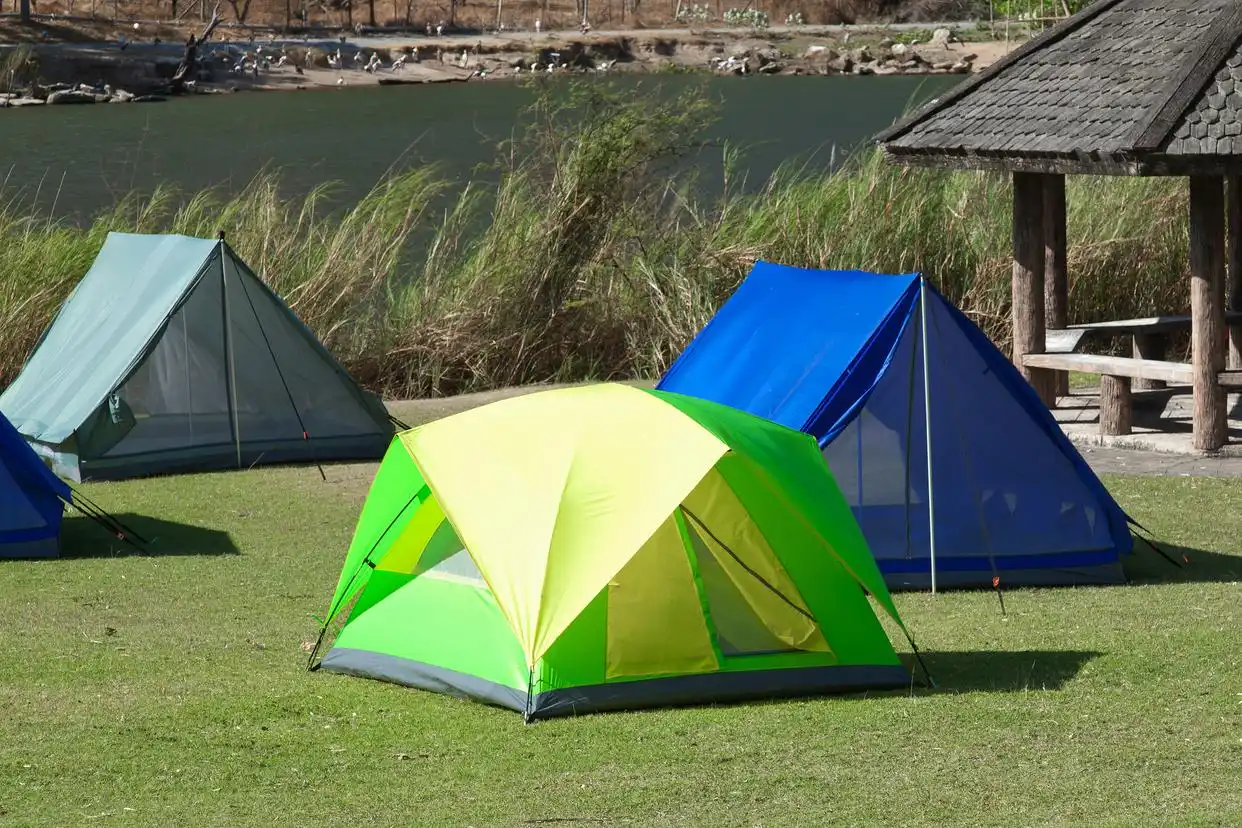
1, Types of camping tents
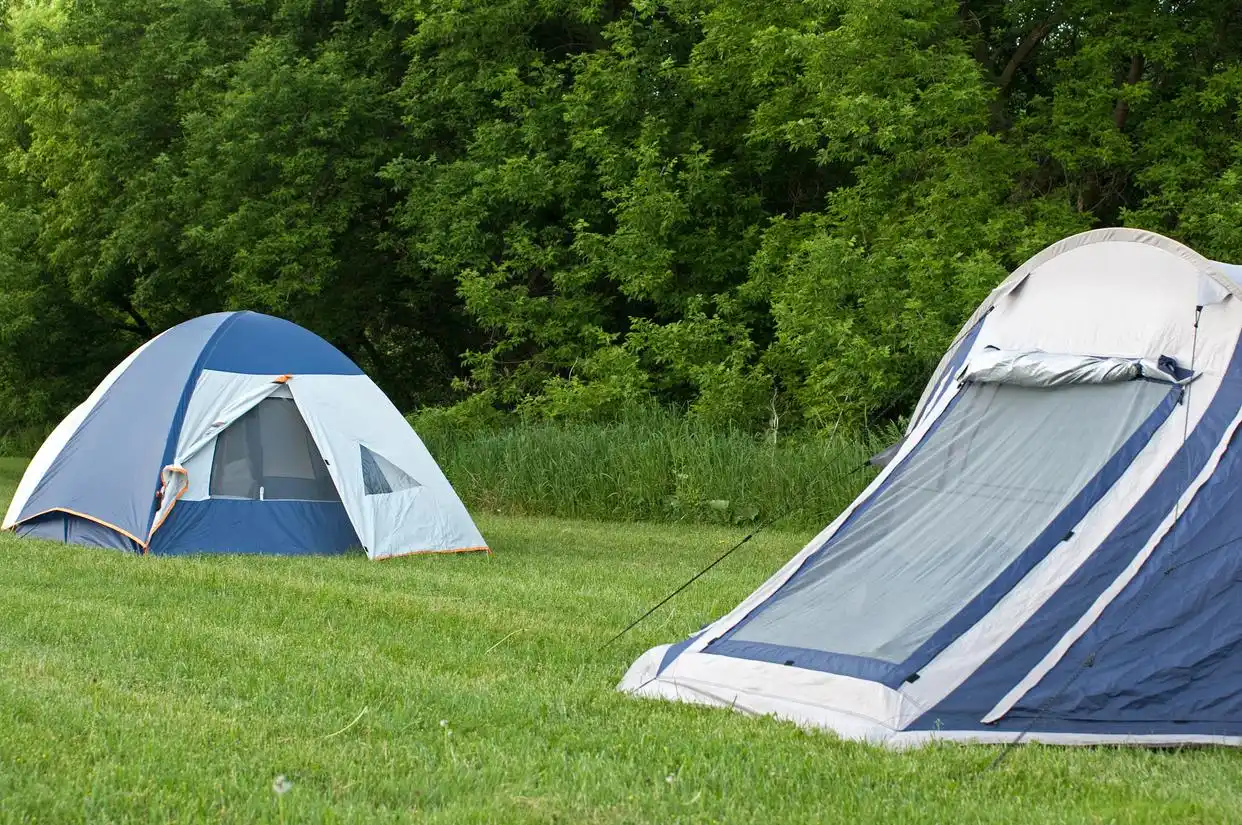
1. Automatic inflatable tent
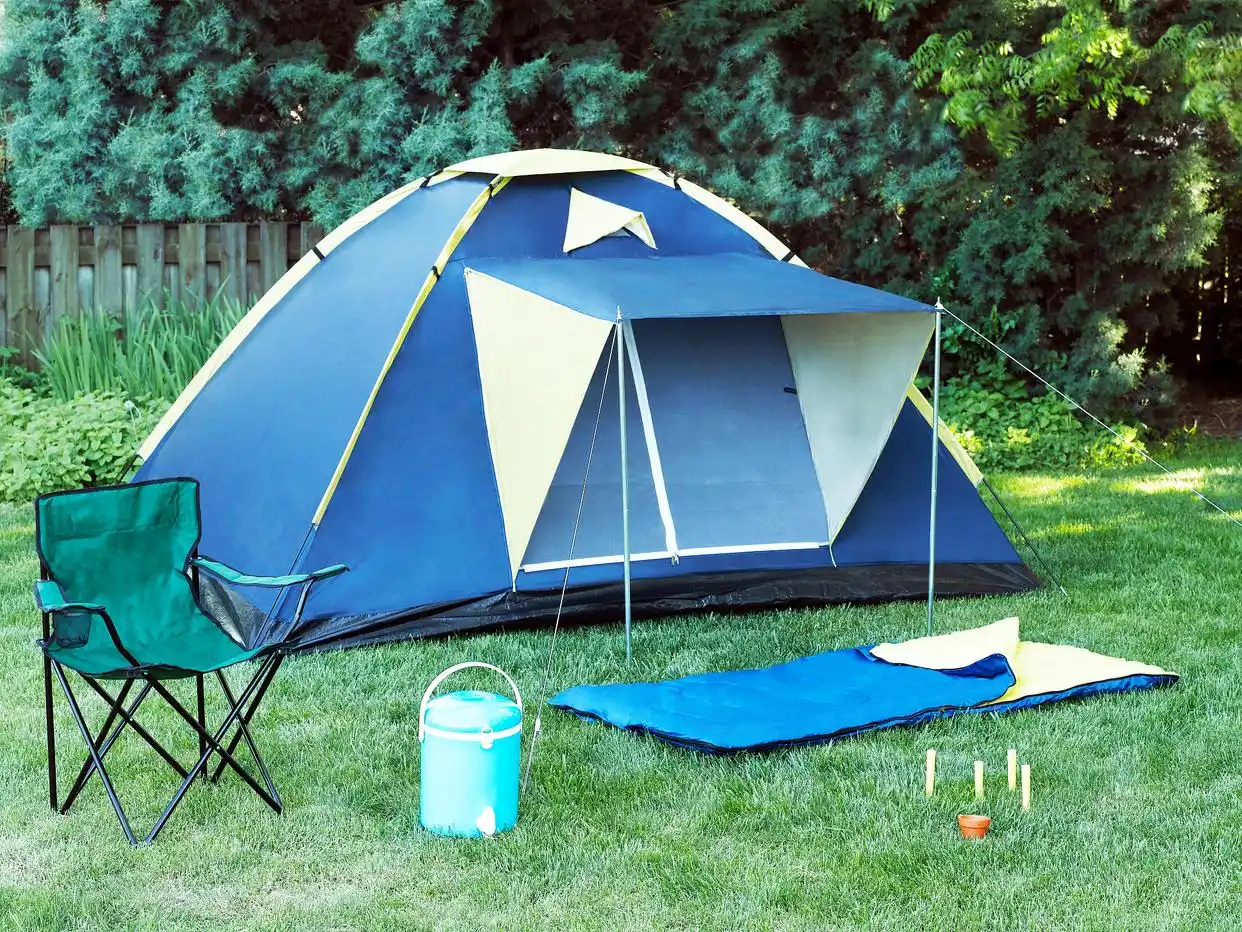
Automatic inflatable tents use the principle of air pressure difference to set up inflatable airbags on the outside of the tent. Air is pumped into the tent through an air pressure pump to quickly expand and form the tent. This type of tent is easy to set up and suitable for quick setup, but the price is relatively high.
2. Manually set up the tent
Manually setting up a tent requires inserting the tent pole into the opening of the tent fabric and then supporting the tent. This type of tent has a relatively low price, but it requires certain skills and time to set up.
3. Family style tents
Family style tents usually adopt a large space design, suitable for the whole family to use together. This type of tent has spacious interior space and can accommodate a large number of items, but it is heavy and not very suitable for long-distance travel.
4. Lightweight tent
Lightweight tents are lightweight, small in size, and easy to carry, making them the preferred choice for long-distance travel and outdoor adventures. But this type of tent usually has a small space and is only suitable for single use.
2, Characteristics of camping tents
1. Waterproof performance
Camping tents must have good waterproof performance to cope with the changing outdoor weather. Tents with good waterproof performance can effectively prevent internal moisture and improve user comfort.
2. Wind resistance
When camping in the wilderness, it is inevitable to encounter strong winds. Therefore, tents must have good wind resistance to prevent them from being blown down or damaged by the wind.
3. Warmth
The insulation performance of tents is also very important depending on the camping location. In cold environments, tents must be able to provide sufficient warmth to ensure that users are not affected by the cold.
4. Durability
Camping tents usually need to withstand long-term outdoor use and exposure to wind and rain, so they must have high durability. Tents with good durability can extend their service life and reduce the frequency of maintenance and replacement.
3, Tips for using camping tents
1. Choose a suitable construction location
When setting up a tent, one should choose a flat, open location that is not easily affected by weather changes. At the same time, it is necessary to avoid places where there may be dangers such as falling rocks and landslides.
2. Pay attention to the construction sequence
When setting up a tent, the tent base should be set up first, then the tent pole should be installed, and finally the top tent cloth should be covered. Building the tent in the correct order can ensure its stability and service life.
3. Reasonable use of moisture-proof pads
Laying moisture-proof mats inside tents can effectively prevent contact between the body and damp ground, improving the comfort of users. At the same time, moisture-proof pads can also provide some warmth retention.
4. Pay attention to maintenance and upkeep
During use, it is necessary to regularly check whether the various components of the tent are intact and undamaged. If there is any damage, it should be repaired or replaced in a timely manner. At the same time, the tent should be cleaned regularly to maintain cleanliness and tidiness.
4, Suggestions for purchasing camping tents
1. Choose the appropriate type and size according to the requirements
When choosing a camping tent, one should choose the appropriate type and size according to their own needs. If it's a family of three camping, you can choose a family style tent; If it is a long journey or adventure, a lightweight tent is more suitable.
2. Pay attention to brand and reputation
When choosing a camping tent, one should pay attention to the brand and reputation. Renowned brand tents provide better quality and after-sales support, making them more reassuring to use.
3. Pay attention to performance indicators such as waterproofing, wind resistance, and warmth retention
When choosing a camping tent, attention should be paid to performance indicators such as waterproofing, wind resistance, and warmth retention. These performance indicators are directly related to the comfort and safety of users and cannot be ignored.
4. Consider weight and portability
For long-distance travel or exploration, weight and portability are very important considerations. On the premise of ensuring performance, lightweight and small-sized tents should be selected as much as possible.
As one of the essential camping equipment, camping tents need to be understood in terms of their types, characteristics, usage techniques, and purchasing suggestions. Only by understanding these knowledge can we choose suitable, safe, and comfortable tents for camping in the wilderness, and enjoy the wonderful time of intimate contact with nature.